
Understanding the Impact of Sleep Positions on Your Health
When it comes to sleep, we often hear advice about the best positions to maintain optimal health. Many people wonder whether it’s better to sleep on the left side, right side, or even on your back. While most of us have a preferred position, understanding how these positions affect our comfort and overall well-being can significantly improve our sleep quality. This article delves into the benefits and drawbacks of various sleeping positions, providing insights to help you make an informed choice that suits your individual needs.
Sleeping on Your Left Side: Benefits and Considerations
Sleeping on the left side is often recommended for various health benefits. This position can influence digestive health and contribute to better overall well-being. Let’s explore some of the key advantages of sleeping on your left side:
Improved Digestion
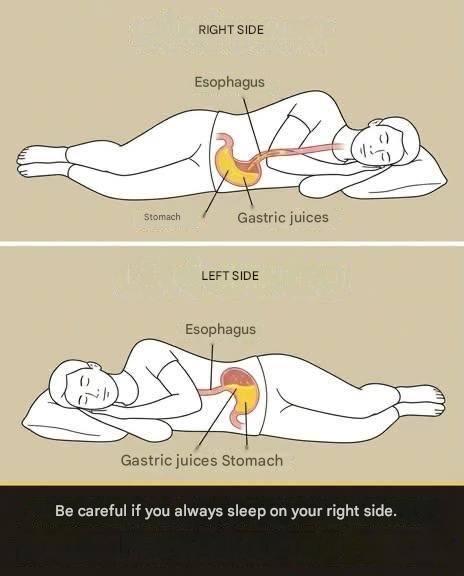
One of the most commonly cited benefits of sleeping on the left side is its positive effect on digestion. The stomach and pancreas are located on the left side of the body, making this position advantageous for those seeking better digestive function. Some studies have indicated that sleeping on the left side can aid in the movement of waste through the intestines, reducing the likelihood of acid reflux and promoting a more efficient digestive process.
Heart Health
This sleeping position may also have implications for heart health. The left side can help reduce pressure on the heart and improve circulation. As the heart is situated on the left side of the chest, sleeping on this side may allow for better blood flow and promote overall cardiovascular health.
Relief from Snoring and Sleep Apnea
Individuals suffering from snoring or sleep apnea might find relief by sleeping on their left side. This position keeps the airways open and reduces the likelihood of obstructions during sleep, allowing for a more restful night.
Sleeping on Your Right Side: What to Know
Sleeping on the right side is another common choice, and while it may not offer the same benefits as the left side, it has its advantages too. Here’s what you need to know about this position:
Comfort and Muscle Relaxation
Some people report feeling more relaxed and comfortable when sleeping on their right side. This position can provide a sense of muscle relaxation and may be beneficial for those who experience chronic pain or discomfort when lying down.
Pressure on Internal Organs
However, sleeping on the right side may not be optimal for everyone. It can put pressure on certain internal organs, potentially leading to issues such as heartburn or discomfort in the digestive tract. It’s recommended to evaluate how this position affects your body and adjust accordingly.
The Benefits of Sleeping on Your Back
While side sleeping is popular, many people also prefer sleeping on their back. This position comes with its own set of pros and cons:
Spinal Alignment
Sleeping on your back allows for better spinal alignment. This position helps maintain the natural curvature of the spine, which can prevent back pain and discomfort. Additionally, it may reduce pressure on the discs in your back and provide relief from neck pain as well.
Reduced Risk of Acid Reflux
For those who experience acid reflux, sleeping on the back may help keep the stomach below the esophagus, reducing the risk of reflux during the night. However, elevating the head with pillows can further enhance this benefit.
Potential Downsides
Despite its advantages, sleeping on your back isn’t suitable for everyone. Those who suffer from sleep apnea or snoring may find this position exacerbates their conditions, as it can lead to airway obstruction.
Finding Your Ideal Sleep Position
As we’ve seen, sleeping positions can significantly influence our comfort and health. However, finding the right position is often a personal journey. Here are some tips to help you discover your ideal sleep position:
Listen to Your Body
Everyone’s body is different, and what works for one person may not work for another. Pay attention to how you feel in different positions. Note if you experience discomfort, restlessness, or any negative symptoms. Your body will often guide you toward the right choice.
Consider Your Health Conditions
If you have specific health conditions, such as chronic pain, acid reflux, or heartburn, it’s essential to choose a position that alleviates your symptoms. Consult with your healthcare provider for tailored advice based on your unique health needs.
Experiment with Pillows
Using pillows strategically can enhance your sleep experience. For instance, placing a pillow between your knees while sleeping on your side can maintain spinal alignment and alleviate pressure on your hips. Conversely, a wedge pillow can help keep your head elevated while sleeping on your back, which may be beneficial for acid reflux.
Conclusion: Prioritizing Comfort and Quality Sleep
Ultimately, the most important factor when it comes to choosing a sleep position is your comfort and ability to achieve quality sleep. Whether you prefer sleeping on your left side, right side, or back, understanding the benefits and drawbacks of each position can help you make an informed choice. Remember to listen to your body, consider your health needs, and experiment with different positions and pillow arrangements to find what allows you to relax and feel rejuvenated each morning.
By giving attention to your sleep position, you’ll not only improve your nightly comfort but enhance your overall well-being. Make sleep a priority, and invest the time to create an environment conducive to restful nights and energetic days.
